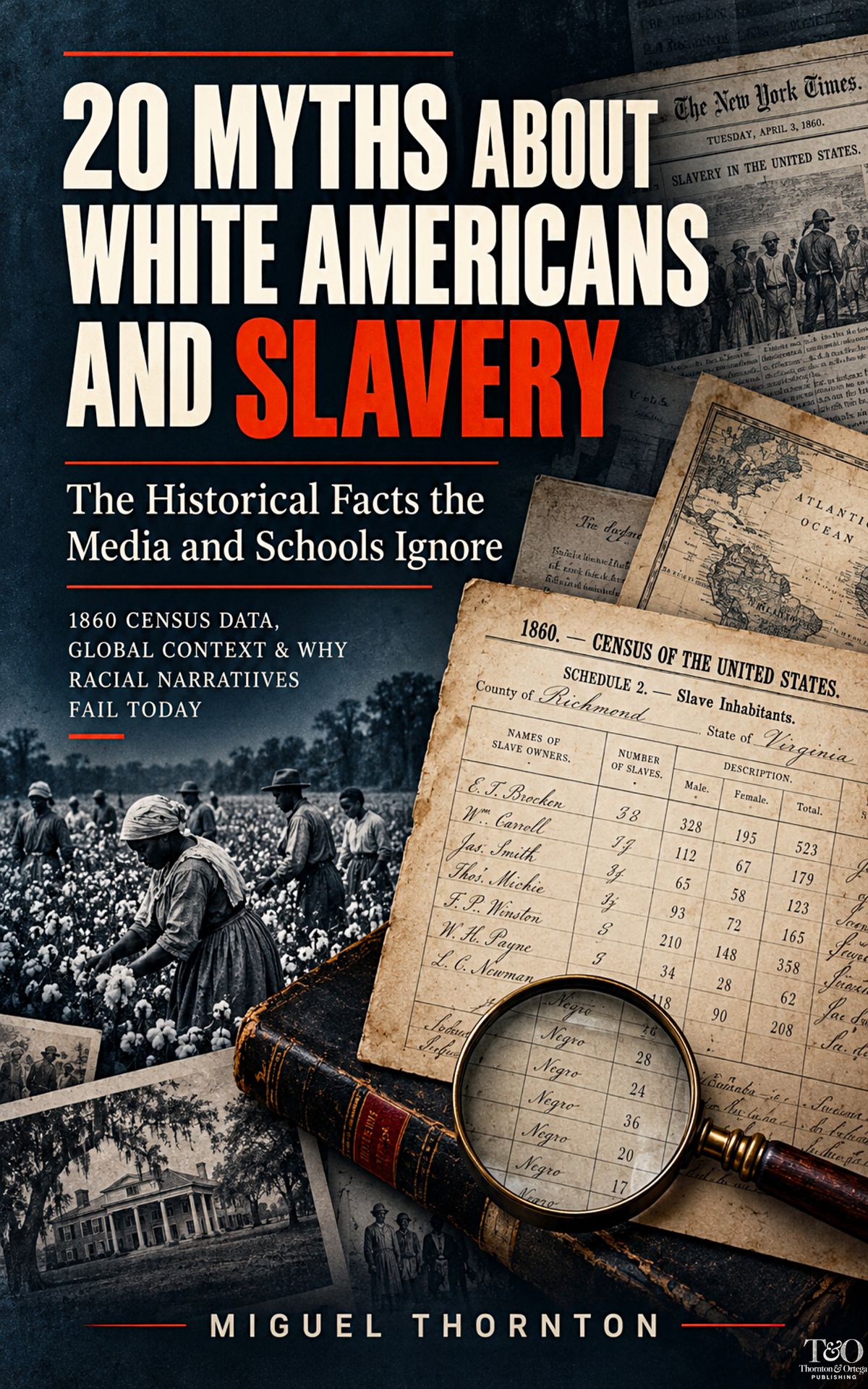
20 Myths About White Americans and Slavery
1860 census data, global context and a challenge to current narratives

20 chapters · 125 pages · EPUB & PDF
$6.99
EPUB + PDF · instant download
- Secure payment by Stripe
- Instant download
- 14-day refund before download
EPUB + PDF · works on any device · no DRM
Paperback · only on Amazon (opens in a new tab)About this book
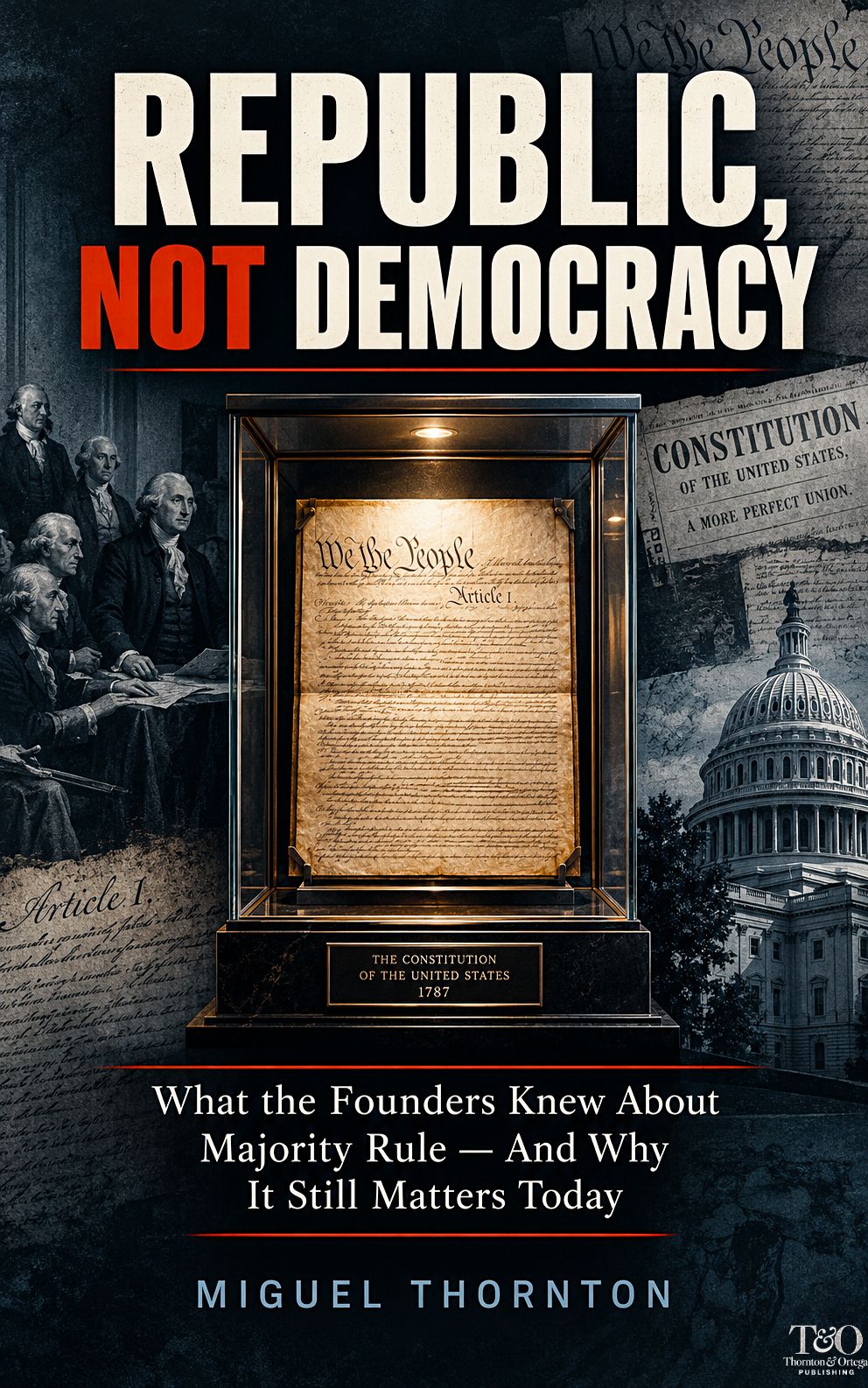
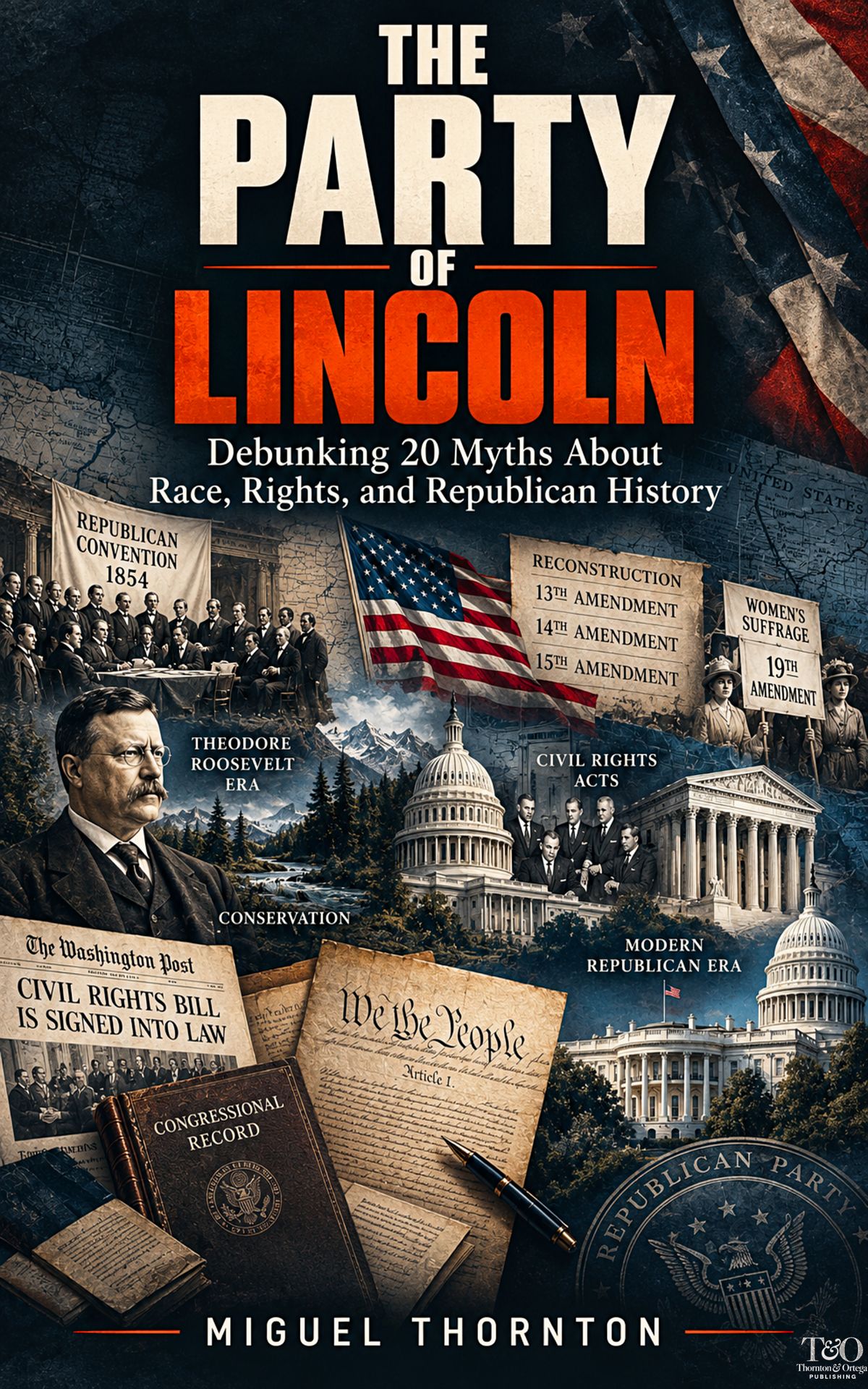
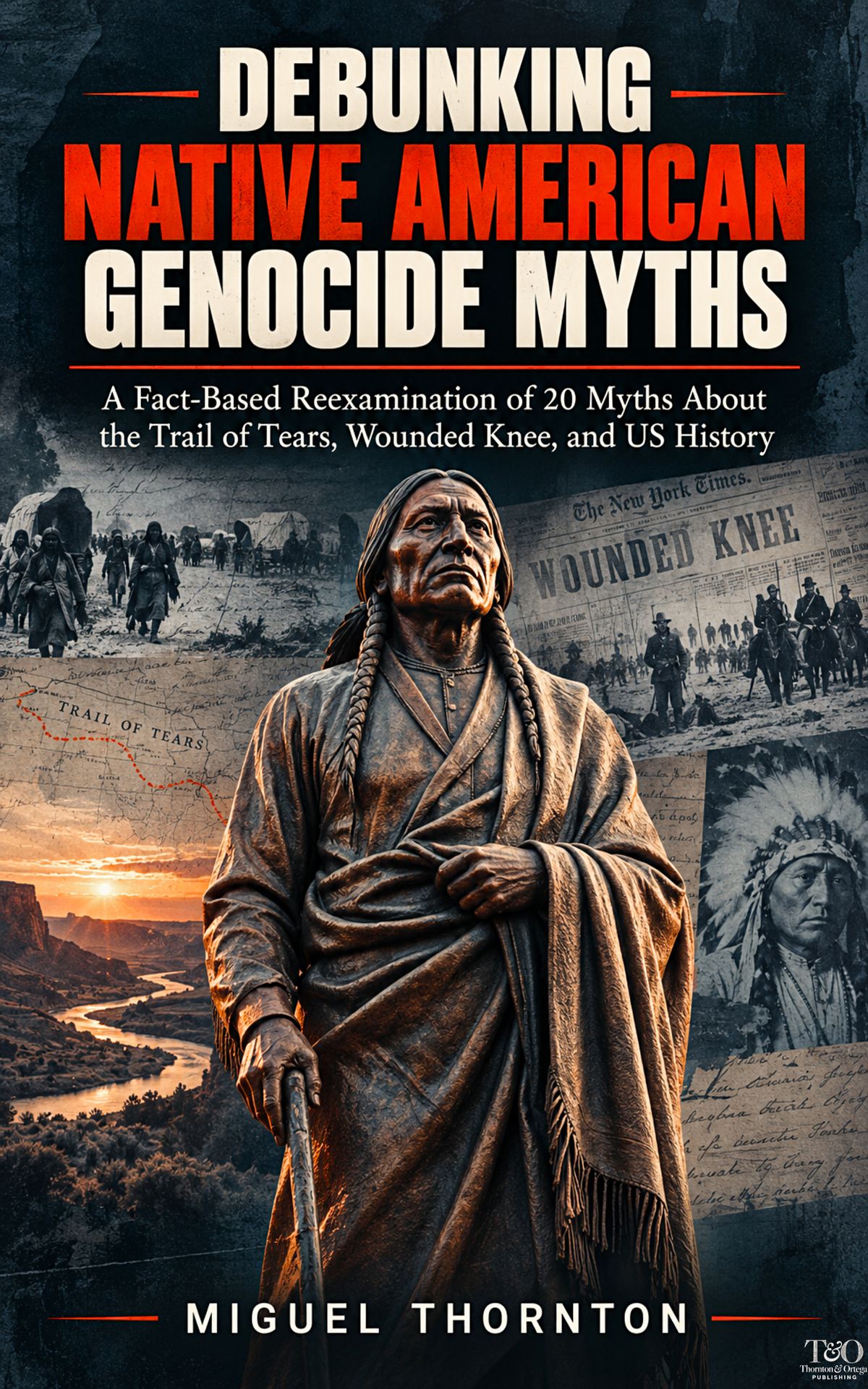
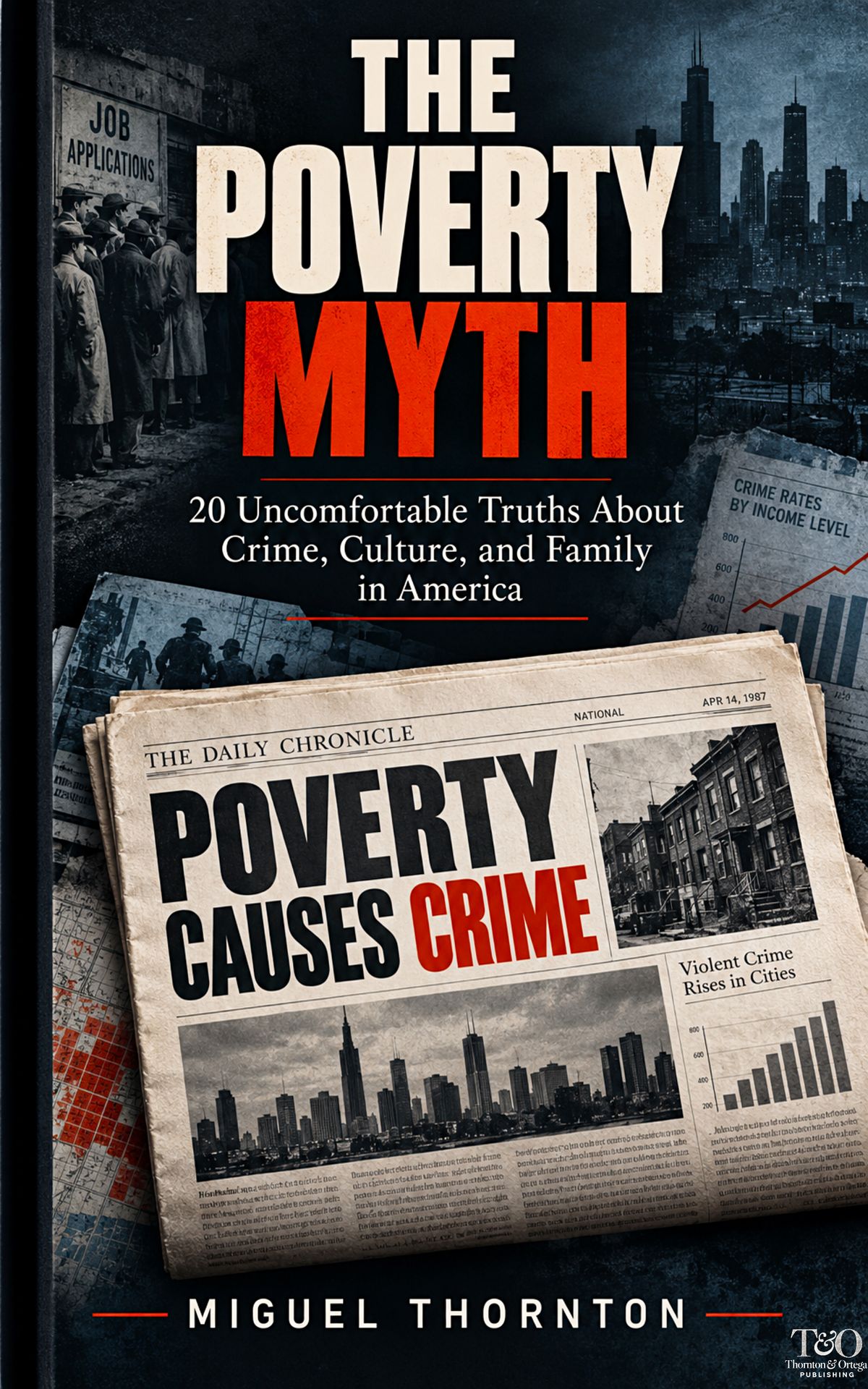
Most arguments about slavery and race in America are won by whoever sounds more certain. The documents that could settle them rarely enter the conversation.
This book brings them in. Twenty widely repeated claims, from the progressive account and the conservative one alike, are each traced to the record behind them, so you can answer a claim with its source instead of another slogan.
The 1860 slave schedules list 393,975 slaveholders. Divided by the national population, slaveholding looks marginal; counted by free families in the eleven Confederate states, it comes close to 31 percent. Alexander Stephens told a Savannah crowd, three weeks before Fort Sumter, that the Confederacy’s cornerstone was Black inferiority, then spent his postwar years recasting the war as a contest over state sovereignty. In March 2015 the Justice Department found the evidence did not support the account of Michael Brown raising his hands, and documented that 96 percent of people arrested in Ferguson solely on outstanding municipal warrants were Black.
You keep the record on both sides, and four questions to put to any statistic: what sits in the denominator, what it is compared to, what year it describes, and what followed the quoted words.
Questions about this book
Does the book put American slavery in a global context?
Yes. It covers the 652 Baqt treaty between Makuria and Egypt’s Muslim rulers, Barbary corsair raids on Europeans, and Atlantic trade figures showing how many captives reached what became the United States.
Where do the facts and figures in the book come from?
Mainly primary documents: Eighth Census schedules, congressional roll calls, Justice Department reports, court opinions, and published survey data. Each chapter ends with its sources listed in plain language, not footnotes.
Does the book cover current debates like reparations and critical race theory?
Yes. It covers the 2023 Supreme Court ruling on race-conscious admissions, the origins of critical race theory, and California’s reparations task force, which voted 5–4 on who qualifies.
Reader reviews
No reviews yet.