Thornton & Ortega Publishing

Authors

The writers behind the list, grouped by the subjects they cover.

Miguel Thornton is a writer and independent researcher whose work explores the people, events, and controversies that have shaped modern history. Born in Barquisimeto, Venezuela, to a Venezuelan mother and an American father, he grew up between two cultures before being forced to leave Venezuela in 2002, amid the political and economic upheaval surrounding Hugo Chávez's government. Now based in Nebraska, he brings a cross-cultural perspective to his research into American history, politics, and economics. His approach combines investigative curiosity with clear, accessible storytelling, examining familiar narratives against the historical record and allowing the evidence to guide his conclusions.
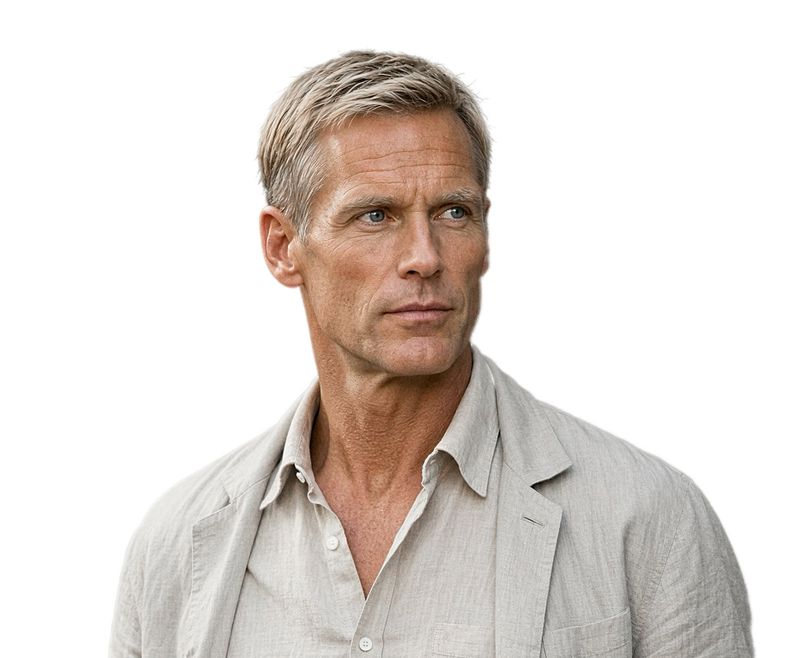
Portrait of Jack Reese

History

Jack Reese

Decisions Under Uncertainty

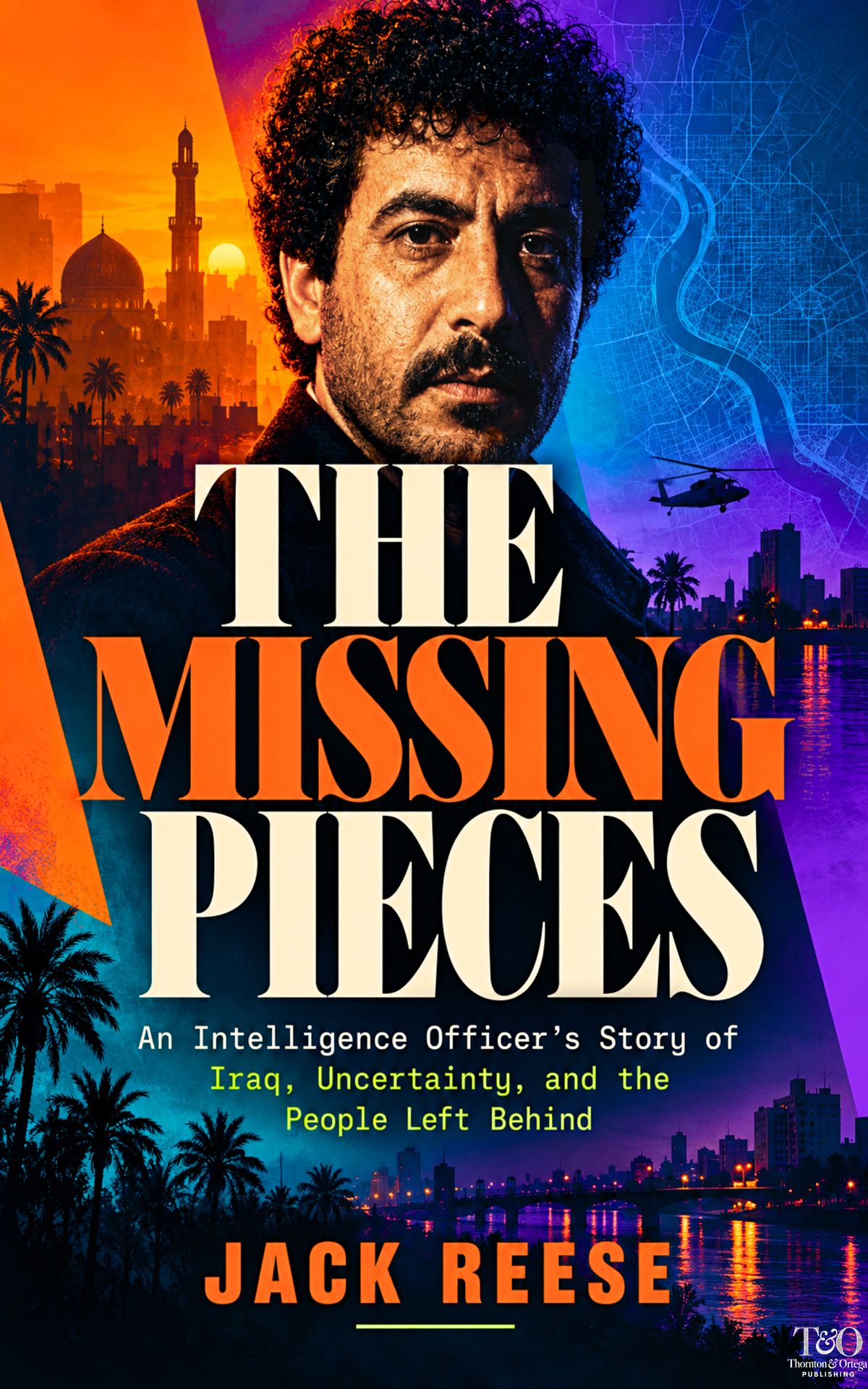
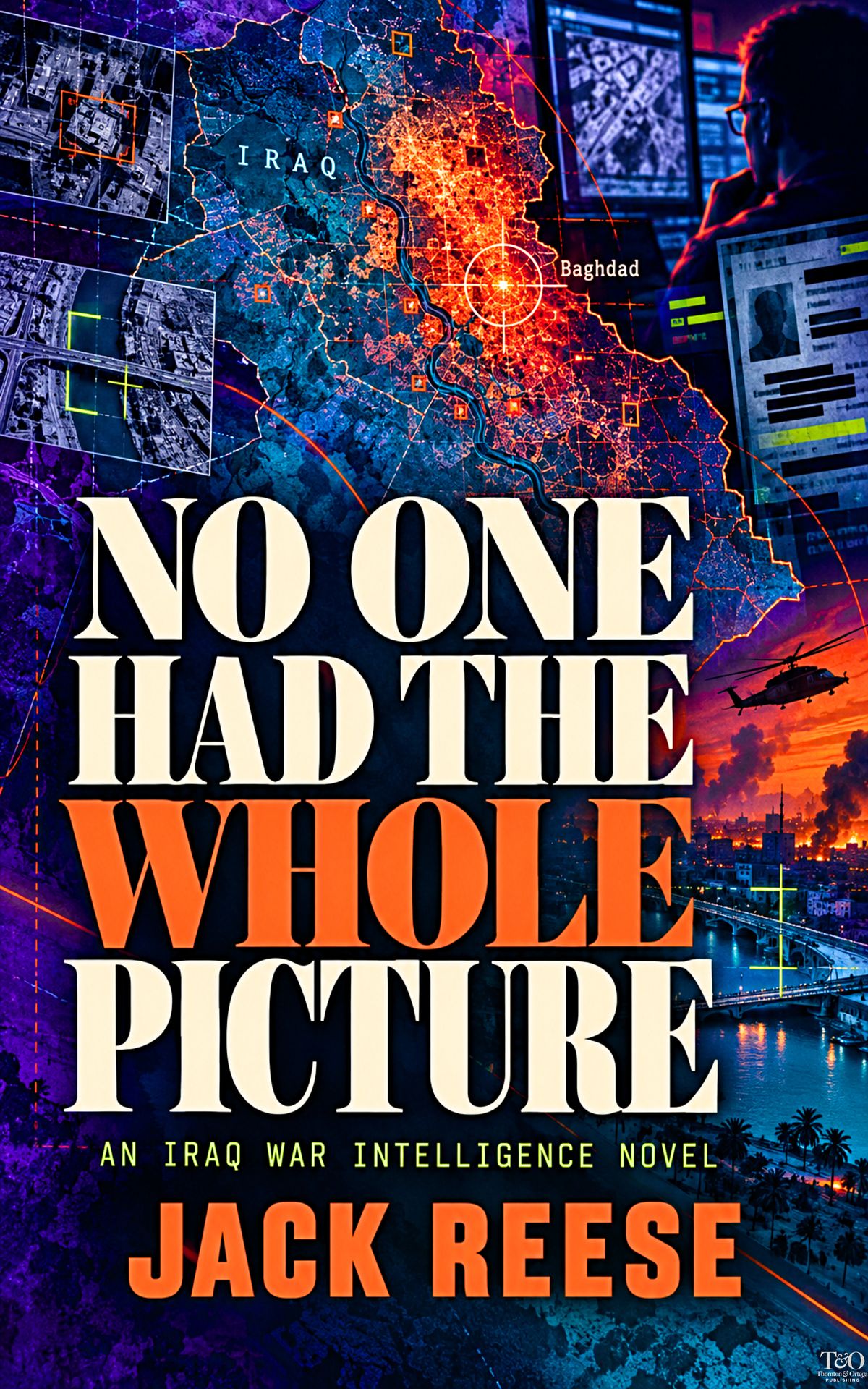
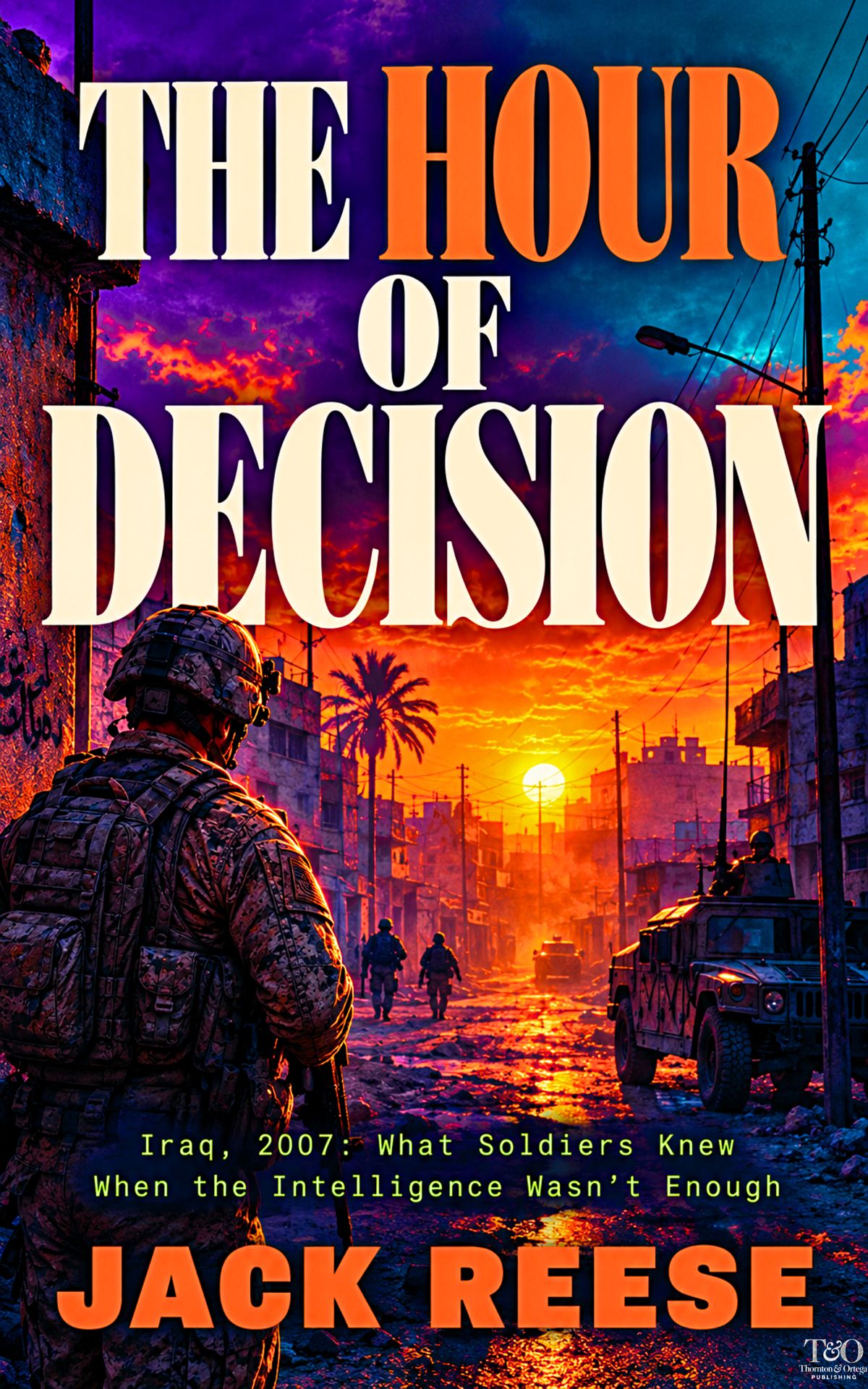
Jack Reese is a Texas-born writer whose work draws on the quiet tensions of field experience, human judgment, and decisions made under uncertainty. His perspective is shaped by an enduring interest in the people behind difficult calls, the limits of what can be known, and the consequences that emerge long after a decision is made. His writing favors lived moments over easy explanations, with a restrained, immersive style that leaves room for ambiguity.
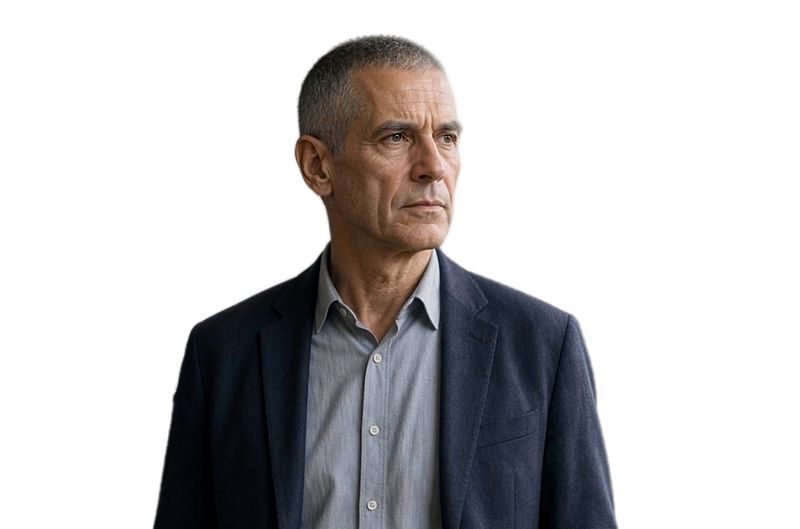
Portrait of Walter Briggs

History

Walter Briggs

Foreign Policy

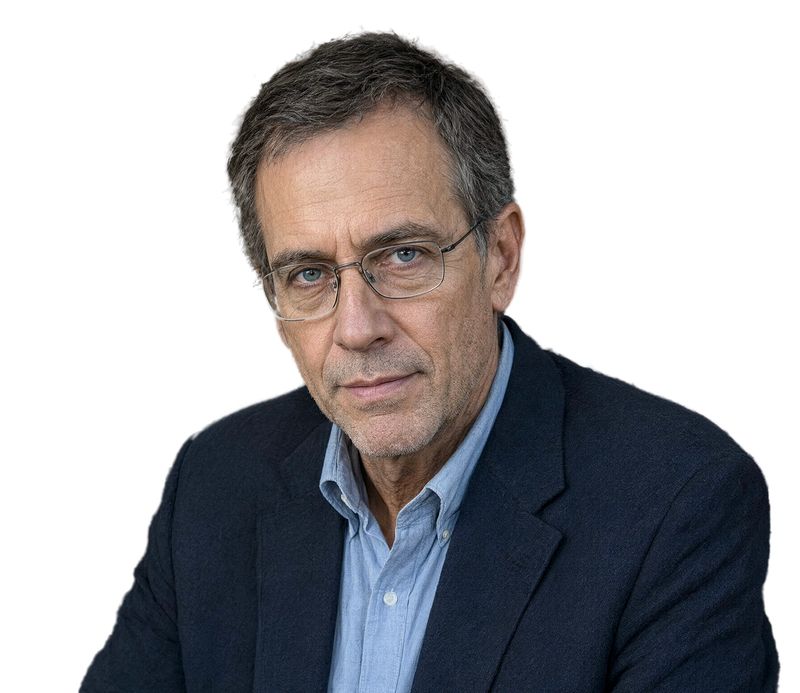
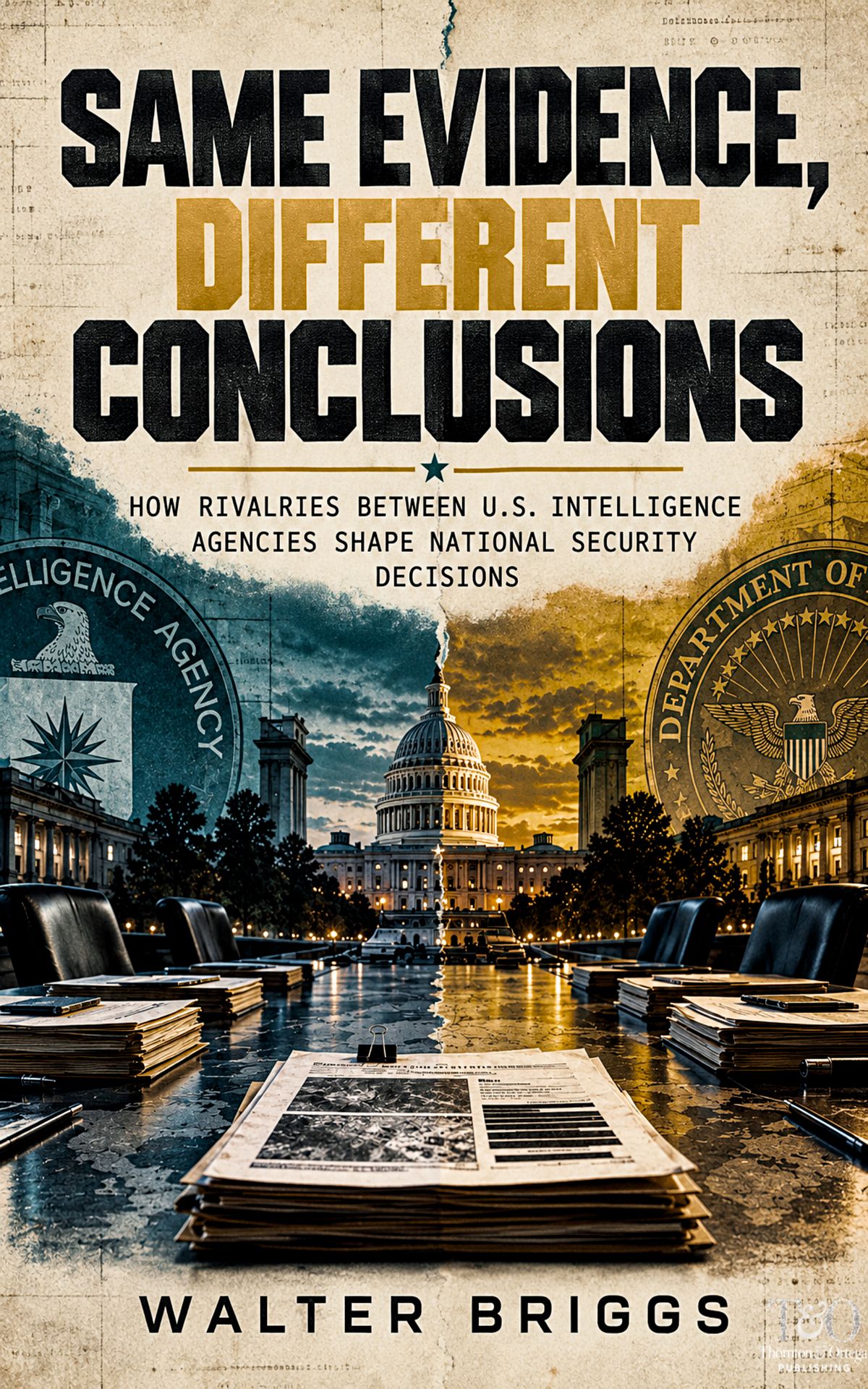
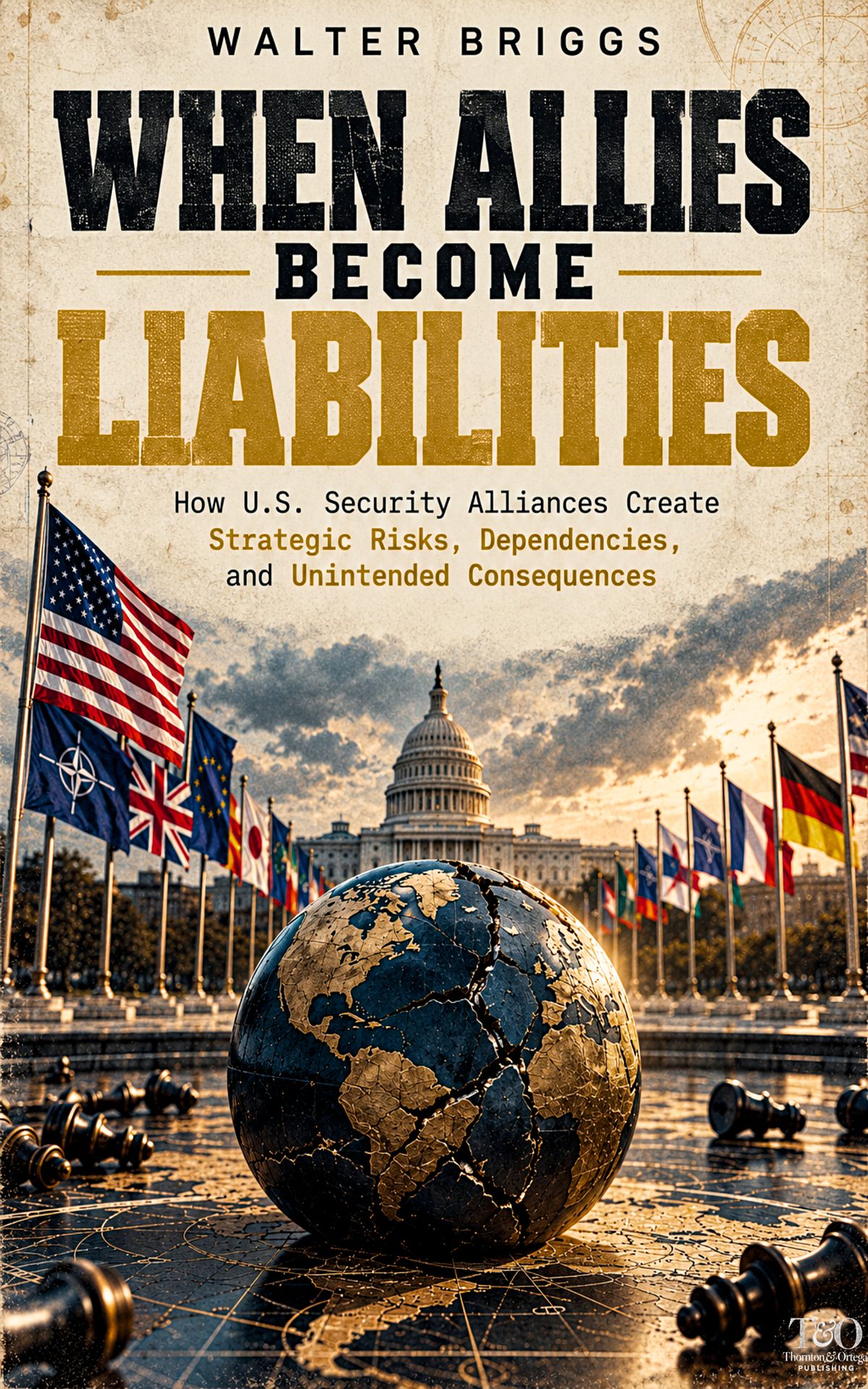
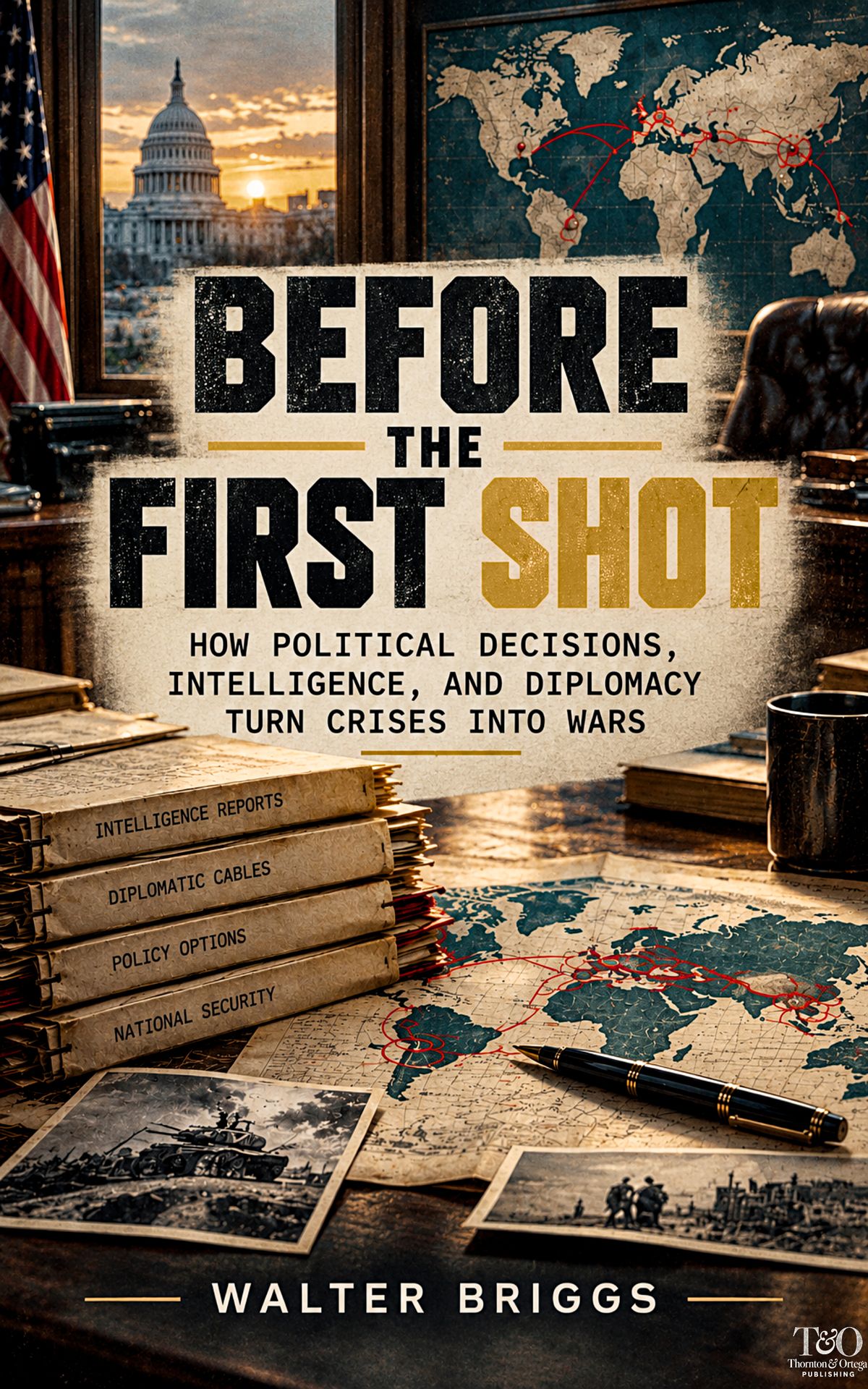
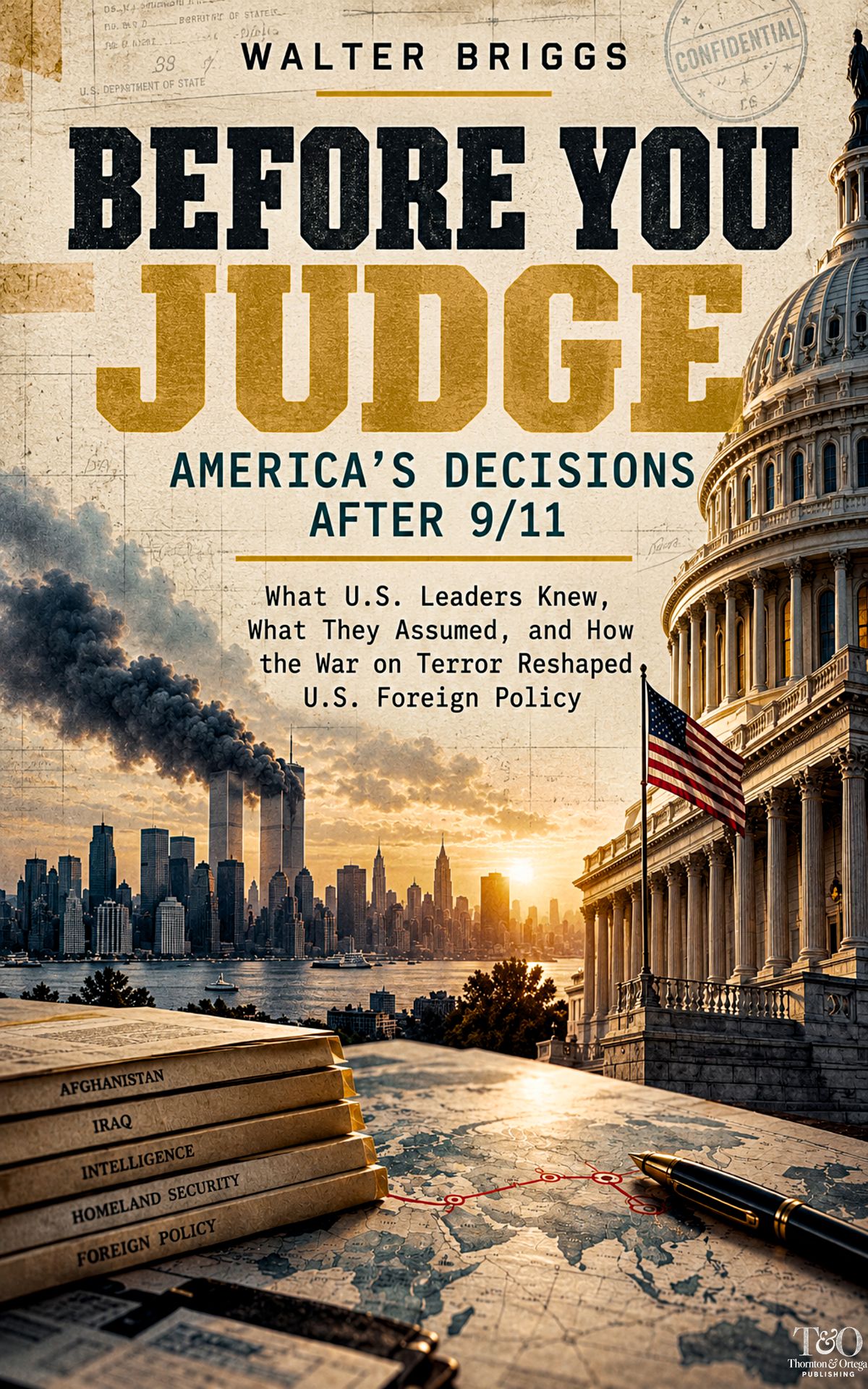
Walter Briggs writes about American foreign policy, strategic decision-making, and the gap between what people believe happened and what the historical record can establish. His approach is shaped by a sustained interest in government institutions, competing assessments, and the difficult choices made under uncertainty. He favors clear analysis over easy conclusions, examining decisions in the context of what was known at the time and what only became clear afterward.

Portrait of Cal Whitaker

History

Cal Whitaker

Aviation Accidents

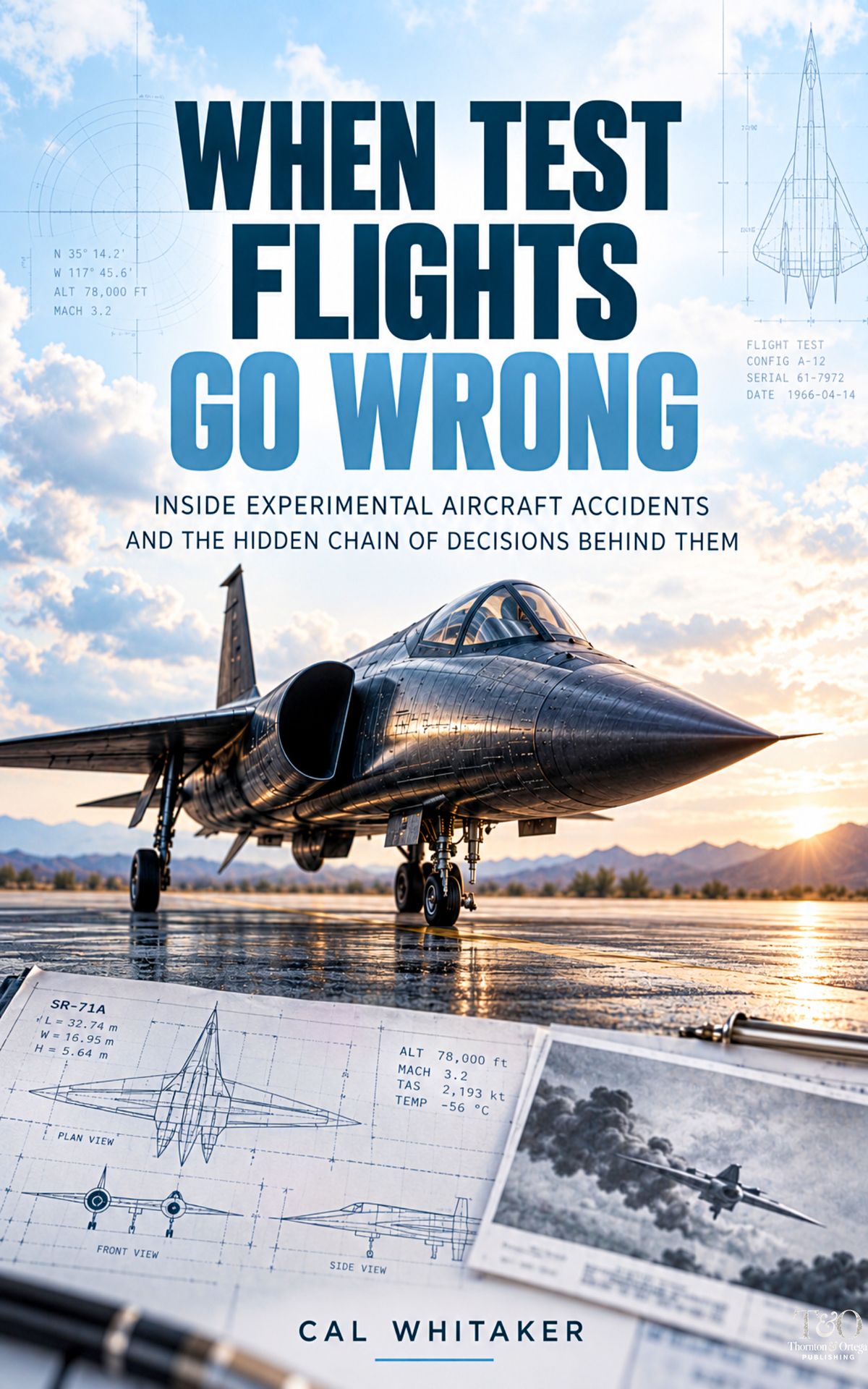
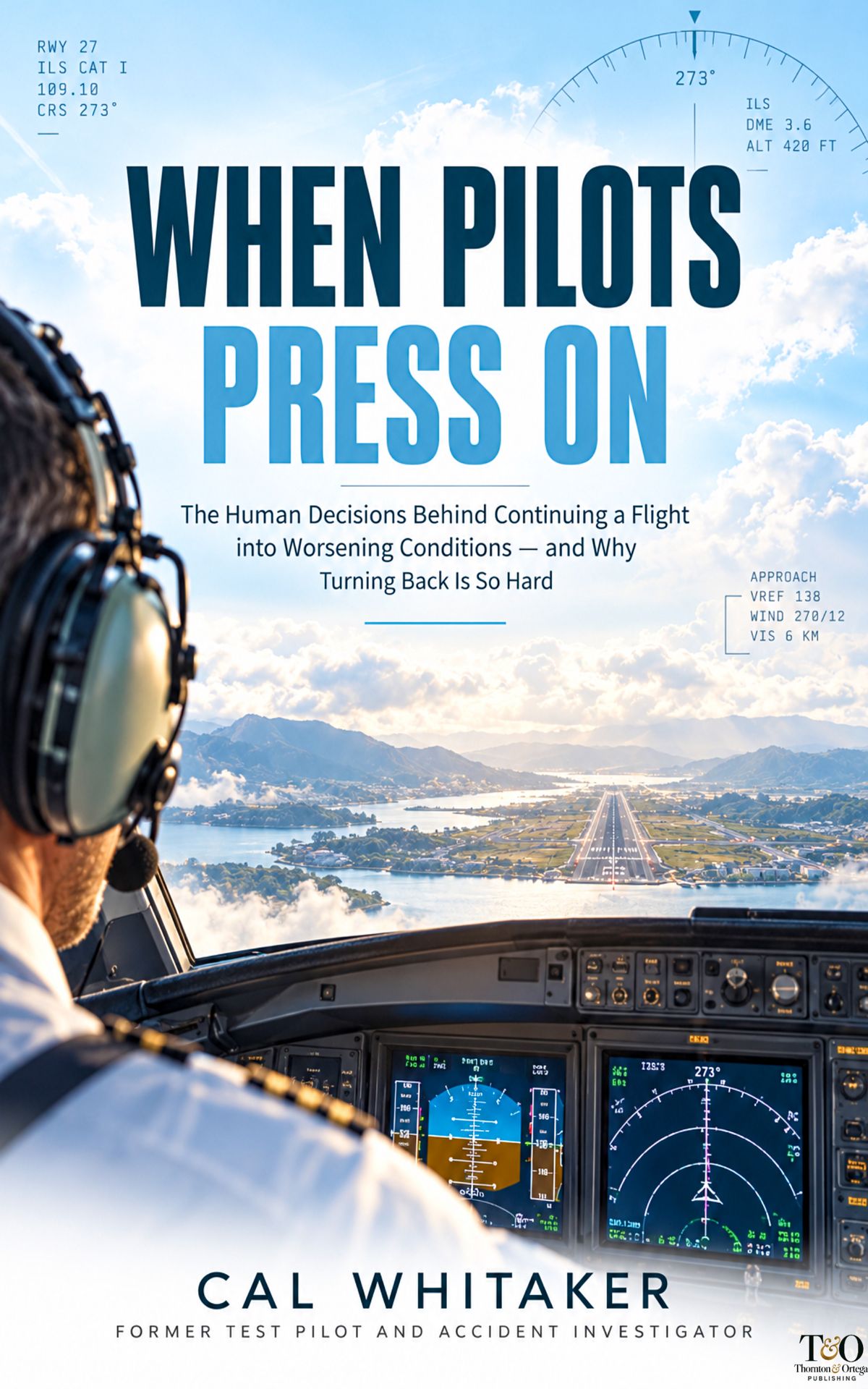
Cal Whitaker writes about aviation accidents, human factors, and the chain of decisions that can turn a manageable problem into a catastrophe. His approach centers on the careful reconstruction of events, examining flight data, procedures, and the circumstances surrounding critical decisions. His style is precise and measured, favoring evidence over speculation and clear explanations over dramatic conclusions.

Portrait of Graham Whitmore

History

Graham Whitmore

Biography

Graham Whitmore is a British-born writer based in Wyoming whose interests center on the lives of influential historical and contemporary figures. His approach focuses on the defining moments, personal setbacks, and pivotal decisions that shape a life over time. He favors concise, chronological storytelling, bringing complex lives into clear focus without losing sight of the struggles behind the achievements.

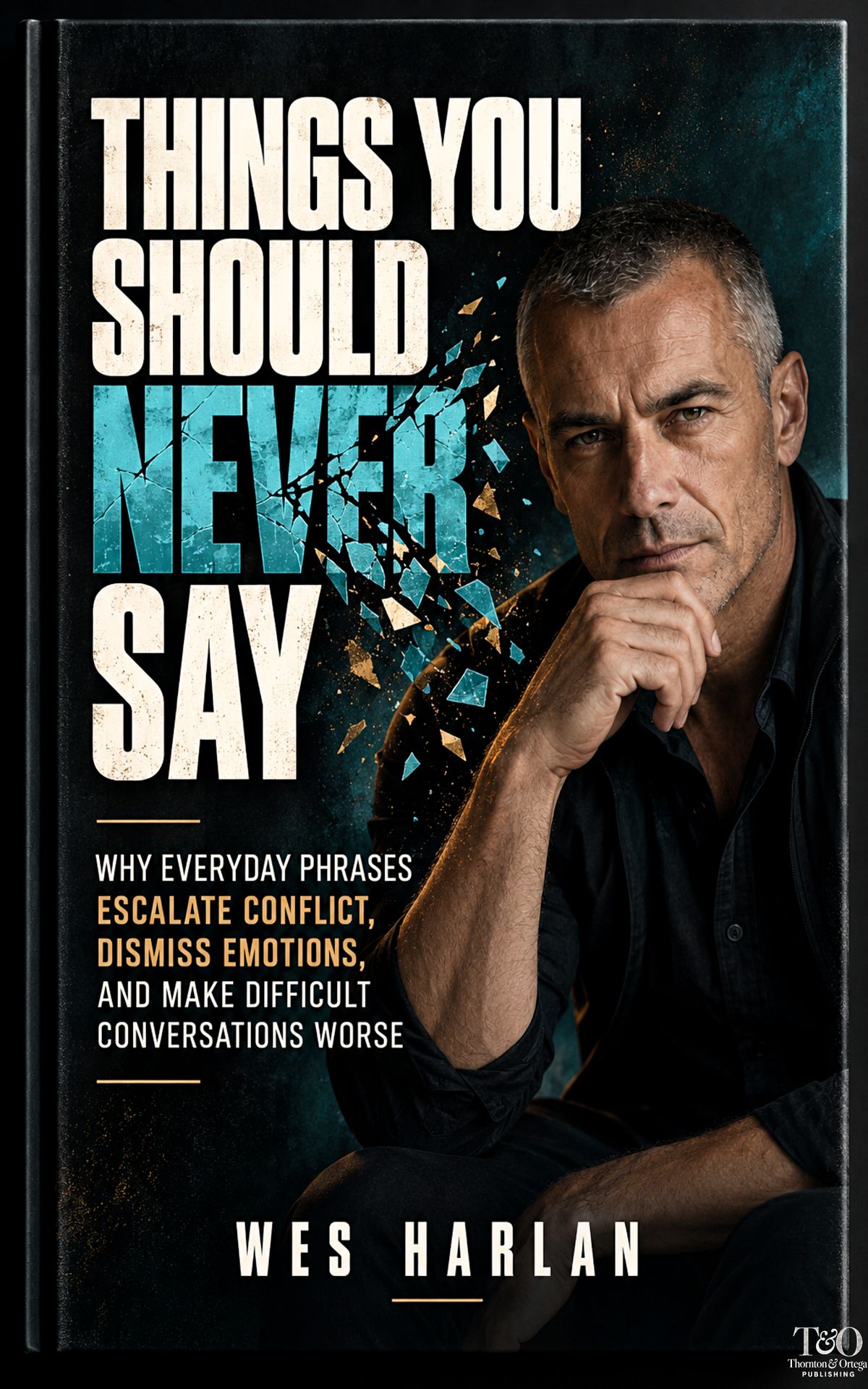
Portrait of Wes Harlan

History

Wes Harlan

Crisis Negotiation

Wes Harlan writes about crisis negotiation, human behavior under pressure, and the consequences of words spoken at the wrong time. His perspective is shaped by a sustained interest in high-stakes encounters, the limits of communication, and the difficult realities behind situations that rarely unfold as expected. His style is direct and restrained, focused on what people do when their options narrow and the margin for error disappears.

Portrait of Thomas Ortega

Economics & Liberty

Thomas Ortega

Thomas Ortega writes about personal discipline, individual freedom, and the principles that shape how people live and make decisions. His perspective draws on classical liberal thought and Austrian economics, with a focus on personal responsibility, independent thinking, and the relationship between individual choices and economic opportunity. His approach is direct and practical, emphasizing self-reliance, deliberate action, and the long-term work of building a life on one's own terms.

Portrait of Ray Kettering

Economics & Liberty

Ray Kettering

Business

Ray Kettering writes about corporate decline, business restructuring, and the gap between a company's public image and its financial reality. His perspective draws on an interest in corporate messaging, organizational behavior, and the decisions made when a business can no longer sustain the story it tells about itself. His style is direct and unsentimental, examining how denial takes hold inside organizations and what it costs when reality is acknowledged too late.

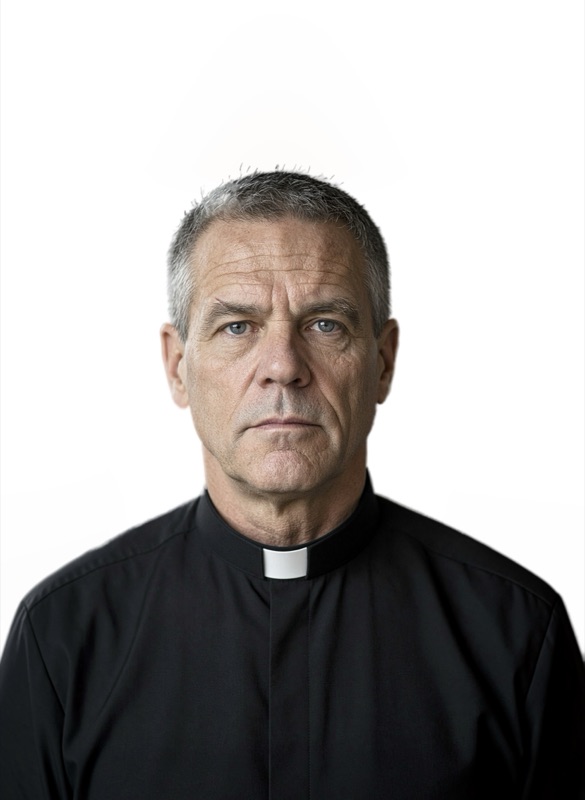
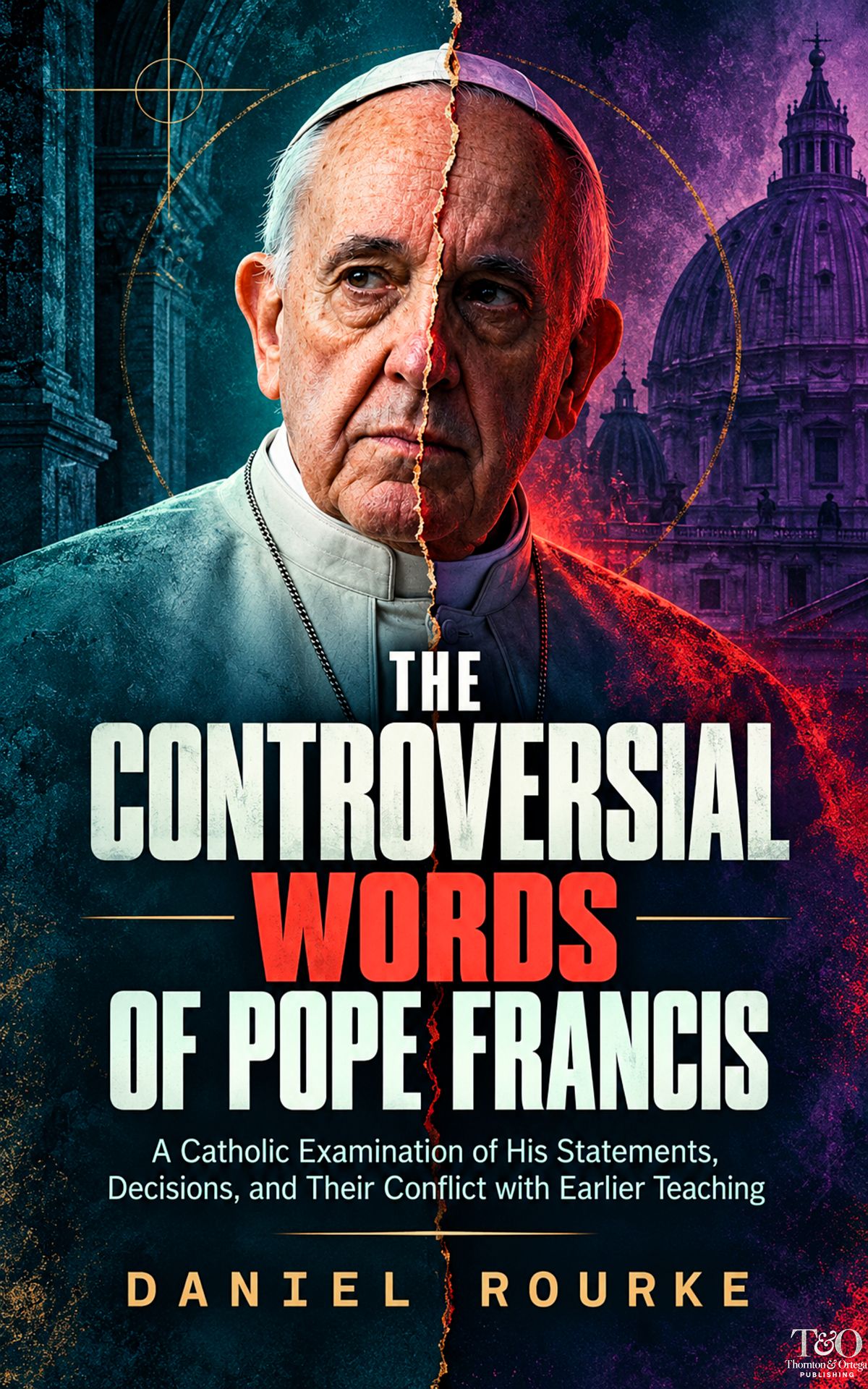
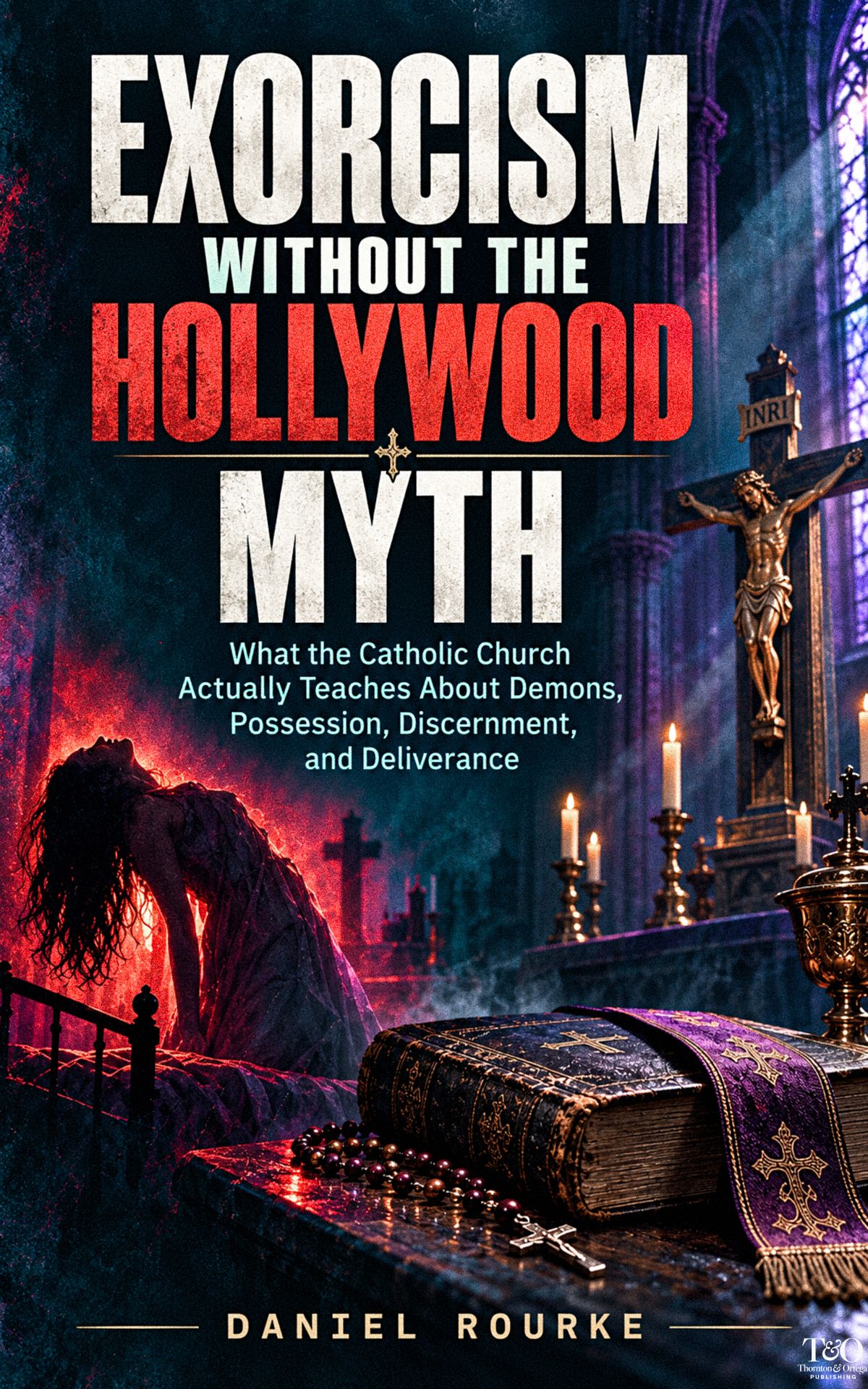
Father Daniel Rourke is a Catholic priest and exorcist whose work centers on spiritual warfare, Church doctrine, and the realities behind cases of alleged demonic possession. His perspective is shaped by a disciplined approach to faith, a firm grasp of Catholic teaching, and a refusal to confuse popular mythology with established fact. Direct and unsentimental, he addresses difficult questions about exorcism, evil, and the Church without sensationalism or easy reassurance, distinguishing what can be established from what remains uncertain.